
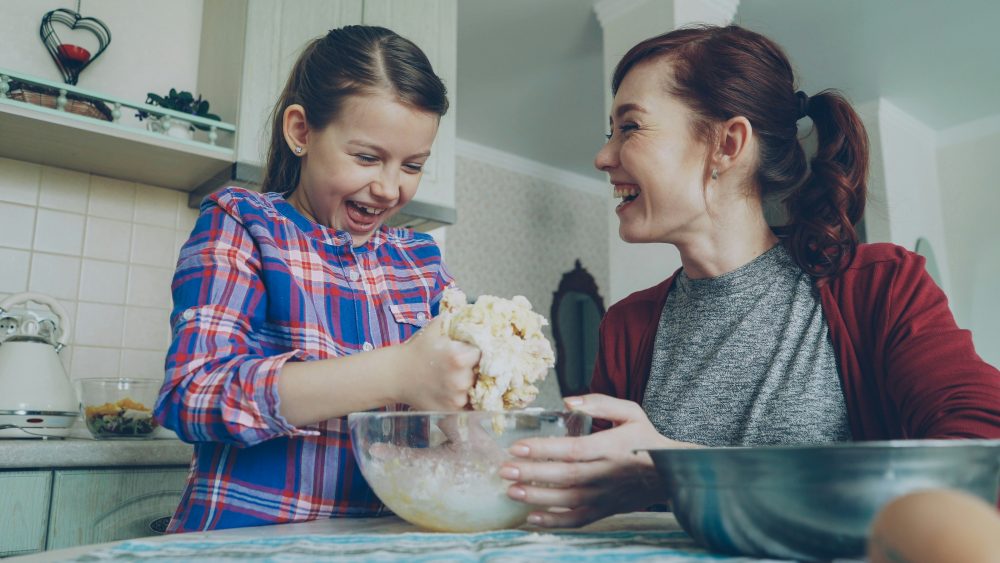
If you’ve spent any time on TikTok or Instagram lately, you’ve probably come across the term “butter mom.” At first glance, it feels warm and reassuring — relaxed family meals and a more easeful approach to food. It’s often positioned as the antidote to the earlier “almond mom” archetype, which many associate with restriction, food rules, and diet culture. In that sense, the butter mom represents something many people are craving: a softer, more flexible relationship with food. And in many ways, that shift is meaningful.
From Almond to Butter: Why the Reaction Makes Sense
For years, foods like butter, carbs, and anything deemed “unhealthy” were heavily moralized, creating fear and anxiety around eating. Moving away from that mindset (especially in how we feed children) can be incredibly protective. When food is neutral and accessible, children are more likely to stay connected to their hunger and fullness cues, feel less shame, and develop a more stable, trusting relationship with eating over time. From a clinical perspective, this kind of flexibility and emotional safety around food is something we actively work toward in eating disorder recovery.

At the same time, like most viral trends, the butter mom concept is simplified in a way that doesn’t fully reflect the complexity of real-life eating or healing. Social media often thrives on extremes, positioning things in opposition: restrictive versus carefree, “clean” versus indulgent, almond versus butter. But sustainable nutrition and a healthy relationship with food rarely live at either end of that spectrum. “When it comes to parenting and nutrition, any trend that misses nuance and the complexity of individuality is likely oversimplified,” says Alli Spotts-De Lazzer, LMFT.
When we move from one extreme to another, even if it feels more freeing on the surface, we can still lose touch with what our body actually needs. It can also subtly turn food into a new form of identity or performance, just with a different aesthetic.
What This Means for Eating Disorder Recovery
The identity piece is especially important in the context of eating disorders. Whether someone identifies with being highly “healthy” and controlled or fully relaxed and indulgent, both can keep food at the center of how they define themselves. And that, more than any specific food choice, is often what keeps people stuck. Healing isn’t about becoming the opposite version of who you were with food, it’s about stepping out of the idea that food needs to define you at all.
Another limitation of the trend is that it presents a very curated version of what eating looks like. Slow, home-cooked meals in a calm, sunlit kitchen don’t reflect the reality for most people, who are balancing busy schedules, budgets, cultural preferences, and varying levels of access to food. When these nuances are left out, even a trend that promotes “ease” can create a new kind of pressure.
For those navigating eating disorder recovery, the appeal of the butter mom messaging is understandable. After a period of restriction, the idea of letting go and embracing all foods can feel like relief. But recovery isn’t about swinging to the opposite extreme or performing a carefree relationship with food. It’s about building something much steadier: consistency, neutrality, flexibility, and trust. That often looks like eating regularly throughout the day, removing moral labels from food, allowing both nutrient-dense and more playful foods, and developing ways to cope with emotions that don’t rely solely on eating or restricting.
You Don’t Have to Choose a Label

Ultimately, the rise of the butter mom trend reflects something real: people are tired of food fear, and they’re looking for a different way. That desire is valid. But healing your relationship with food doesn’t come from adopting a new label, even one that seems more relaxed. It comes from stepping out of the need for labels altogether and learning to nourish yourself in a way that is grounded, supportive, and sustainable.
You don’t need to be an “almond mom” or a “butter mom” to have a healthy relationship with food. You just need space to reconnect with your body, your needs, and your own version of balance — whatever that looks like for you.
Reach out today for a complimentary phone call with an Evolve intake coordinator.