
If you’ve been diagnosed with an eating disorder, or wonder if you have one, you’ve likely heard that treatment often includes working with a therapist, a medical provider, and a registered dietitian (RD). But you may question why you can’t see any dietitian.
The truth is, while all registered dietitians are trained in nutrition science, not all dietitians are trained to treat eating disorders. Eating disorder recovery requires specialized knowledge, a weight-inclusive perspective, and an understanding of the complex relationship between food, emotions, trauma, body image, and physical health.
Choosing an eating disorder specialist can significantly impact your recovery journey.
Eating Disorders Are More Than a Nutrition Problem
At first glance, it may seem like eating disorders are simply about food. In reality, they are complex mental health conditions that affect nearly every aspect of a person’s life. An eating disorder specialist understands that recovery isn’t just about telling someone what to eat.
Instead, they recognize that nutrition counseling often involves addressing:
- Fear of certain foods
- Food rules and rituals
- Body image distress
- Perfectionism
- Anxiety around eating
- Medical complications from restriction, binge eating, or purging
- Weight stigma and diet culture
- The emotional meaning attached to food
A specialized RD helps clients rebuild trust in their bodies while supporting nutritional rehabilitation in a safe, compassionate, and individualized way.
General Nutrition Advice Can Sometimes Do More Harm Than Good
Many people seeking treatment have already spent years receiving conflicting messages about food. Unfortunately, some traditional nutrition approaches can unintentionally reinforce eating disorder symptoms.
Examples include:
- Encouraging calorie counting
- Recommending food tracking without clinical purpose
- Labeling foods as “good” or “bad”
- Focusing primarily on weight loss
- Praising restriction or rigid eating habits
- Overlooking signs of disordered eating
For someone recovering from an eating disorder, these messages can strengthen the illness rather than support healing. An eating disorder specialist understands when common nutrition advice is clinically inappropriate and adapts treatment accordingly.
Eating Disorder Dietitians Receive Specialized Training
Registered dietitians specializing in eating disorders often pursue extensive continuing education beyond their graduate training.
Many have specialized education in:
- Family-Based Treatment (FBT)
- Enhanced Cognitive Behavioral Therapy (CBT-E)
- Acceptance and Commitment Therapy (ACT)
- Dialectical Behavior Therapy (DBT)
- Exposure-based nutrition therapy
- Intuitive Eating
- Health at Every Size® (HAES®) principles
- ARFID treatment
- Medical nutrition therapy for eating disorders
Many also work toward credentials such as Certified Eating Disorders Specialist (CEDS) or receive ongoing consultation from experienced eating disorder professionals.
Because eating disorder research continues to evolve, specialists stay current on best practices and emerging evidence.
They Understand the Medical Side of Recovery
Eating disorders affect nearly every organ system.
An experienced eating disorder RD understands the nutritional implications of:
- Malnutrition
- Refeeding syndrome
- Electrolyte imbalances
- Bone health
- Gastrointestinal symptoms
- Hormonal disruption
- Cardiovascular complications
- Metabolic adaptation
- Weight restoration
- Nutritional rehabilitation after binge eating or purging
They work closely with therapists and medical providers to monitor progress and help clients recover safely.
They Help Clients Challenge Food Fears
Many individuals enter treatment with long lists of “unsafe” foods.
Rather than avoiding those foods forever, eating disorder specialists help clients gradually expand flexibility.
This may include:
- Introducing feared foods
- Practicing restaurant meals
- Grocery shopping together
- Cooking new recipes
- Navigating holidays and celebrations
- Reducing food rules
- Building confidence eating spontaneously
The goal isn’t simply eating more foods.
It’s helping people reclaim freedom around food.
They Don’t Focus on Weight, They Focus on Health
One of the biggest differences between a general dietitian and an eating disorder specialist is how they define success.
Rather than focusing solely on the number on the scale, specialists look at recovery through a broader lens, including:
- Consistent nourishment
- Improved energy
- Reduced eating disorder behaviors
- Greater flexibility around food
- Better relationship with movement
- Improved lab values and medical stability
- Emotional well-being
- Participation in work, school, relationships, and hobbies
Recovery is about building a meaningful life—not achieving a particular body size.
They Understand That Recovery Isn’t Linear
Healing from an eating disorder rarely follows a straight line. There are often setbacks, fears, and moments of uncertainty. An eating disorder RD understands that these experiences are part of recovery—not signs of failure.
Instead of responding with judgment, they help clients:
- Identify barriers
- Develop practical coping strategies
- Build self-compassion
- Learn from setbacks
- Continue moving forward
They Work as Part of Your Treatment Team
Recovery is strongest when professionals work together.
An eating disorder dietitian collaborates closely with:
- Therapists
- Primary care providers
- Psychiatrists
- Family members (when appropriate)
- Higher levels of care
This collaborative approach ensures everyone is working toward shared treatment goals while supporting both physical and emotional healing.
What You Can Expect Working with an Eating Disorder Dietitian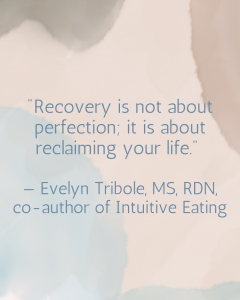
Every recovery journey is unique, but nutrition sessions may include:
- Creating individualized meal plans when clinically appropriate
- Restoring regular eating patterns
- Exploring hunger and fullness cues
- Addressing digestive concerns during recovery
- Challenging food rules
- Processing emotions connected to eating
- Preparing for vacations, holidays, and special events
- Developing confidence with independent eating
Sessions are collaborative, compassionate, and tailored to your individual needs.
Recovery Is About More Than Food
Working with an eating disorder dietitian isn’t about being given another diet to follow. It’s about rebuilding trust—in food, your body, and yourself.
The right RD understands that every meal is an opportunity to practice flexibility, challenge fear, and move one step closer to freedom.
At Evolve Wellness Group, our registered dietitians specialize in evidence-based eating disorder treatment and work alongside therapists and medical providers to offer comprehensive, individualized care. Whether you’re just beginning recovery or looking for additional support, we’re here to help you build a healthier relationship with food and yourself.
If you’re wondering whether our services might be right for you, we invite you to reach out for a confidential consultation.